
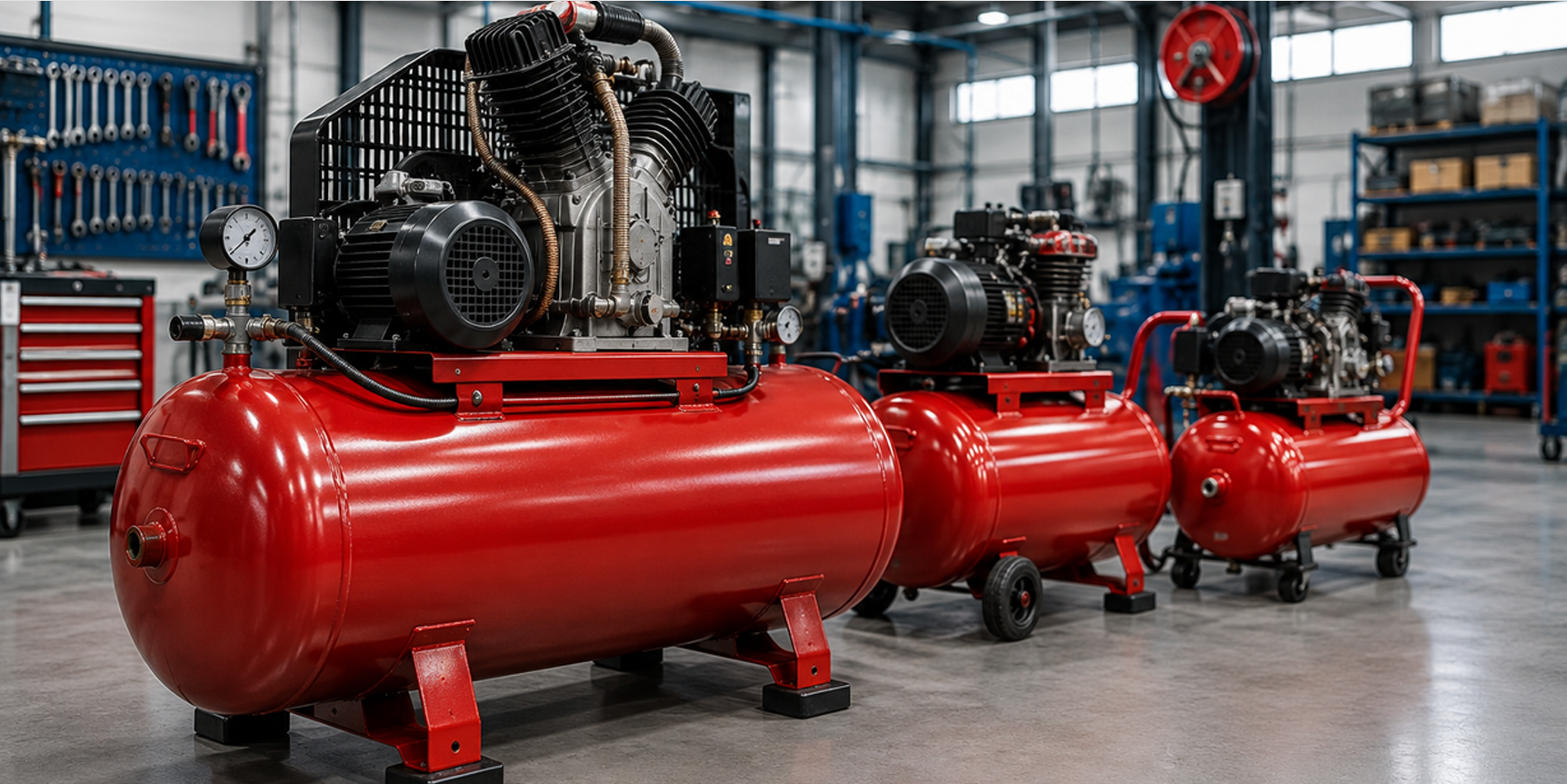

Industrial Air Compressor
- 17-Jun-2026
How to Select the Right Industrial Air Compressor for Your Business Needs
An industrial air compressor is one of the most useful machines in many businesses. It powers tools, supports production lines, assists in cleaning, operates machinery and helps workshops, factories and service centers work faster and more efficiently. From automotive garages and manufacturing units to construction sites, warehouses and industrial plants, compressed air is used in many daily operations.
Although an air compressor may look like a simple machine, choosing the right one is very important. If the compressor is too small, it may not provide enough air pressure or airflow for the job. If it is too large, it may waste energy and increase operating cost. If the wrong type is selected, it can lead to poor performance, frequent breakdowns and unnecessary maintenance expenses.
For businesses, an industrial air compressor is not just an equipment purchase. It is a long-term productivity investment. The right compressor can improve work speed, reduce manual effort, support better quality and lower operating cost.
This guide explains how to select the right industrial air compressor based on business usage, air demand, pressure requirement, duty cycle, power source and maintenance needs.
What Is an Industrial Air Compressor?
An industrial air compressor is a machine that converts power into compressed air. This compressed air is stored and then supplied to tools or equipment when required. It is commonly used to run pneumatic tools, spray guns, lifting equipment, cleaning systems, packaging machines, production equipment and various industrial applications.
Compressed air is often called the “fourth utility” in industrial operations, after electricity, water and gas. This is because many businesses depend on it every day for smooth operations.
Industrial air compressors are available in different types and capacities. The right choice depends on how much air the business needs, how often the compressor will be used and what type of equipment it will operate.
Why Choosing the Right Air Compressor Matters
Selecting the wrong air compressor can create many operational problems. A compressor with low capacity may struggle to support tools, causing pressure drops and slow work. This can affect productivity and frustrate technicians or operators.
An oversized compressor may consume more electricity than necessary. Since energy cost is one of the biggest operating expenses of a compressor, oversizing can become costly over time.
A poor-quality compressor may also create downtime. If the machine breaks down often, work stops, deadlines are missed and repair costs increase.
The right compressor should provide reliable air supply, match the workload, operate efficiently and be easy to maintain.
Understand Your Business Application
The first step in choosing an industrial air compressor is to understand how it will be used. Different businesses have different air requirements.
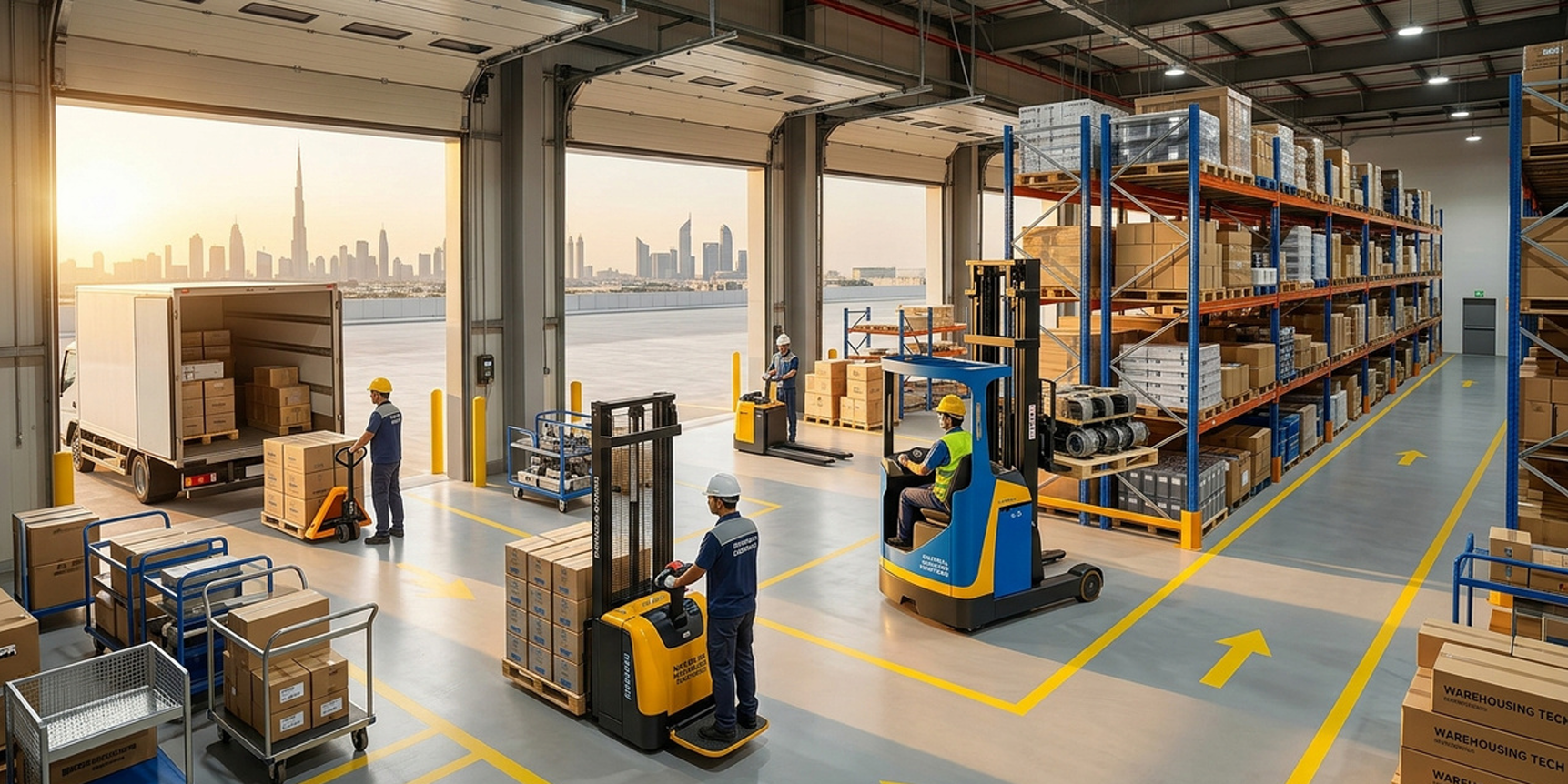
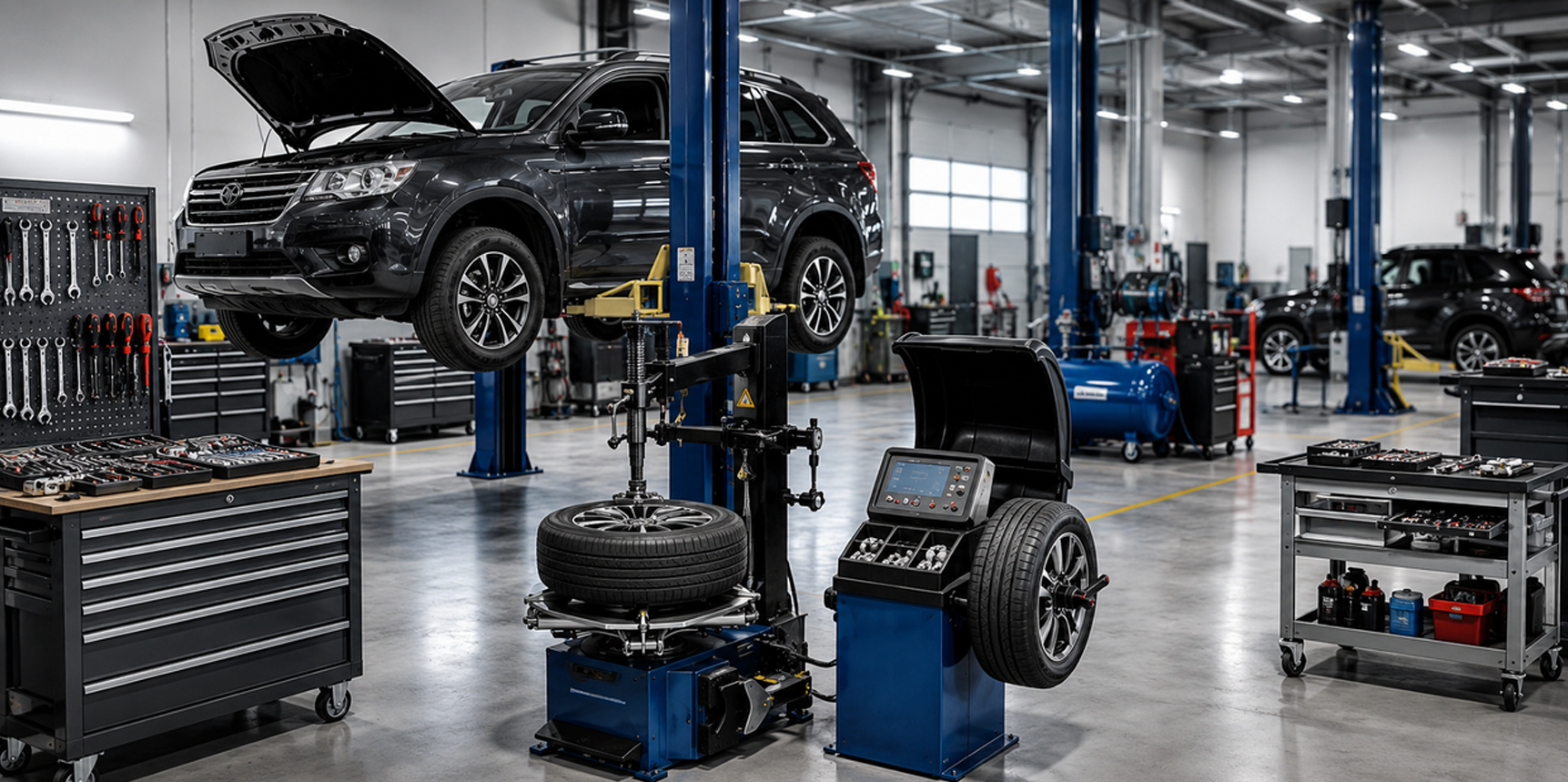
An automotive workshop may need compressed air for impact wrenches, tire inflators, spray painting, cleaning and air tools. A manufacturing plant may need continuous air supply for machines, conveyors and production systems. A construction site may need portable compressed air for tools and equipment. A warehouse may use compressed air for cleaning, packaging or maintenance.
The compressor should be selected based on actual application, not just price or tank size. A business that uses air tools occasionally does not need the same compressor as a factory running equipment throughout the day.
Check Air Pressure Requirement
Air pressure is usually measured in PSI or bar. Every pneumatic tool or machine requires a specific air pressure to operate properly. If the compressor cannot maintain the required pressure, the tool may perform poorly.
For example, tire inflation, spray painting, air tools and industrial machines may all require different pressure levels. Before buying a compressor, list the tools and equipment that will be connected to it. Then check the highest pressure requirement among them.
It is better to choose a compressor that can comfortably support the required pressure, with some safety margin. However, choosing very high pressure without need can increase cost and energy consumption.
Check Airflow Requirement
Airflow is usually measured in CFM or liters per minute. This tells you how much compressed air the compressor can deliver. Airflow is just as important as pressure.
A tool may need the correct pressure, but it also needs enough airflow to continue working. If airflow is insufficient, the tool may work for a short time and then slow down as the compressor struggles to keep up.
When multiple tools are used at the same time, airflow requirement increases. For example, a workshop running two impact wrenches, a tire inflator and a cleaning gun will need more airflow than a workshop using one tool at a time.
Before selecting a compressor, calculate total air demand based on expected usage. This helps avoid pressure drops and work delays.
Understand Duty Cycle
Duty cycle refers to how long a compressor can run within a specific period without overheating or wearing out. Some compressors are designed for occasional use, while others are made for continuous operation.
If your business needs compressed air throughout the day, choose a compressor with a high duty cycle or continuous-duty design. Using a light-duty compressor for heavy work can lead to overheating, frequent breakdowns and shorter machine life.
For workshops, garages and small businesses, duty cycle should be selected based on daily workload. For factories and production units, continuous-duty compressors are often required.
Types of Industrial Air Compressors
There are different types of air compressors, and each has its own advantage.
Reciprocating Air Compressors
Reciprocating compressors, also known as piston compressors, are commonly used in workshops, garages, small factories and service centers. They use pistons to compress air and store it in a tank.
They are suitable for intermittent use and are available in different capacities. They are often more affordable and easy to maintain. However, they may be noisier and less suitable for continuous heavy-duty operation.
For automotive garages, tire shops and small industrial applications, reciprocating compressors are often a practical choice.
Rotary Screw Air Compressors
Rotary screw compressors are designed for continuous air supply. They are commonly used in factories, manufacturing plants, industrial workshops and production environments.
They are more efficient for heavy usage and can deliver consistent airflow. They are usually quieter and more suitable for long operating hours compared to piston compressors.
Although they may cost more initially, they can be more economical for businesses with high air demand because of better efficiency and reliability.
Portable Air Compressors
Portable compressors are useful for construction sites, mobile service teams and outdoor applications. They can be moved easily from one location to another and are available in electric or diesel-powered versions.
These compressors are suitable when compressed air is needed at different work locations. Portability, durability and fuel efficiency are important factors when selecting them.
Oil-Lubricated and Oil-Free Compressors
Air compressors are also available as oil-lubricated and oil-free models.
Oil-lubricated compressors use oil to reduce friction and improve durability. They are suitable for workshops, industrial use and heavy-duty applications. They generally offer strong performance and longer life when maintained properly.
Oil-free compressors are used where clean air is important. Industries such as food, pharmaceuticals, electronics and medical applications may require oil-free air to avoid contamination.
The choice depends on the quality of air required by the business.
Tank Size and Storage Capacity
The air tank stores compressed air and helps maintain steady supply. A larger tank allows more air storage, which can be useful when tools need short bursts of high air demand.
However, tank size alone does not define compressor performance. A large tank with a weak compressor may still struggle to refill quickly. The compressor’s airflow and power are equally important.
For workshops, tank size should be selected based on number of tools, frequency of use and available space. For continuous industrial use, airflow capacity and compressor type may matter more than tank size.
Power Supply and Installation
Before buying an air compressor, check the available power supply. Some compressors operate on single-phase electricity, while larger industrial units may require three-phase power.
If the power supply does not match the compressor requirement, installation becomes difficult or expensive. For outdoor or remote sites, diesel-powered compressors may be preferred.
Installation space is also important. The compressor should be placed in a well-ventilated area with enough space for maintenance access. Poor ventilation can cause overheating and reduce machine life.
Energy Efficiency
Air compressors can consume significant energy, especially in businesses that use them daily. Choosing an energy-efficient compressor can reduce operating cost over time.
Rotary screw compressors with efficient motors, variable speed drives and proper control systems can help reduce energy consumption in high-demand applications.
Leaks in air lines also waste energy. Even a good compressor can become costly if the compressed air system has leaks. Regular inspection of pipes, hoses and fittings is necessary.
For long-term savings, businesses should consider not only purchase price but also energy cost.
Noise Level
Noise is an important consideration, especially in workshops, indoor facilities and commercial areas. Some compressors can be very loud, making the workplace uncomfortable.
If the compressor will be used indoors or near employees, choose a model with lower noise levels or install it in a separate compressor room. Rotary screw compressors are usually quieter than piston compressors.
Noise reduction improves worker comfort and supports a better working environment.
Maintenance Requirements
Like any industrial machine, air compressors need regular maintenance. Filters, oil, belts, valves, hoses and drains should be checked and serviced on time.
Poor maintenance can reduce efficiency, increase energy consumption and cause breakdowns. Water buildup in the tank should be drained regularly to prevent corrosion.
Before selecting a compressor, check how easy it is to maintain. Also consider spare parts availability and service support. A compressor with good after-sales support can save time and cost in the long run.
Air Quality and Filtration
Some applications require clean and dry compressed air. Moisture, dust or oil particles in compressed air can damage tools, affect painting quality or contaminate products.
Air dryers, filters and separators may be required depending on the application. For spray painting, clean and dry air is very important for a smooth finish. For industrial machines, proper filtration protects equipment and reduces maintenance issues.
When planning an air compressor system, include air treatment accessories if required.
Choosing the Right Supplier
The supplier is as important as the machine. A reliable supplier can help calculate air demand, recommend the correct compressor, provide installation support and offer maintenance service.
Buying only based on low price can create problems later if spare parts and technical support are not available. It is better to work with a supplier who understands the business application and can provide long-term support.
Final Thoughts
An industrial air compressor is an important part of many business operations. It supports tools, machinery, production processes, cleaning, painting and maintenance work. Choosing the right compressor improves productivity, reduces downtime and helps control operating cost.
Before buying, businesses should check pressure requirement, airflow demand, duty cycle, compressor type, power supply, tank size, air quality needs and maintenance support. The best compressor is not always the biggest or cheapest one. It is the one that matches the actual business requirement.
With the right industrial air compressor, companies can work faster, safer and more efficiently every day.



100% Customer Satisfaction

Genuine Accessories

Quality Service
